Healthy Water Man (855) 530-3051

Whole-house water filtration systems

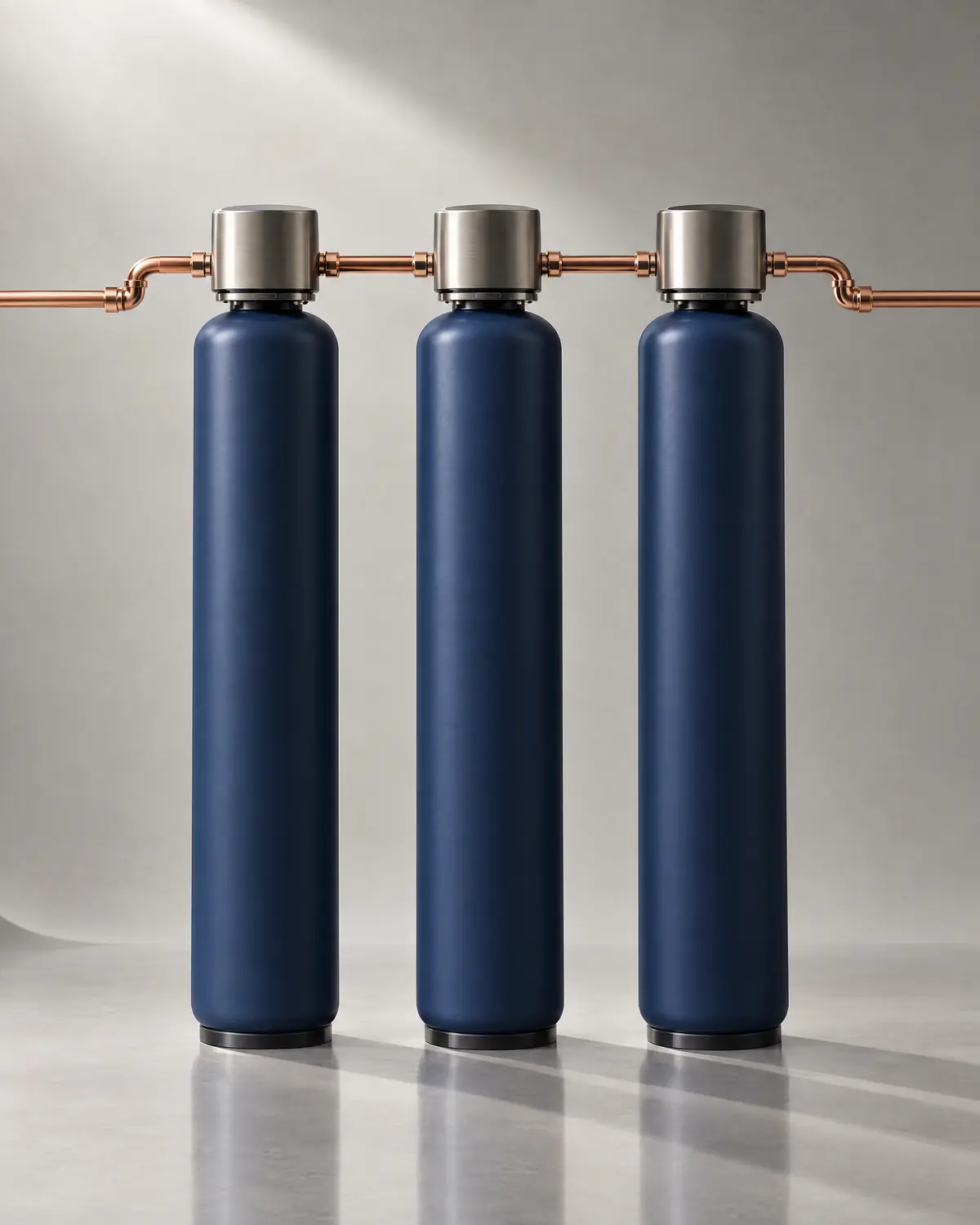
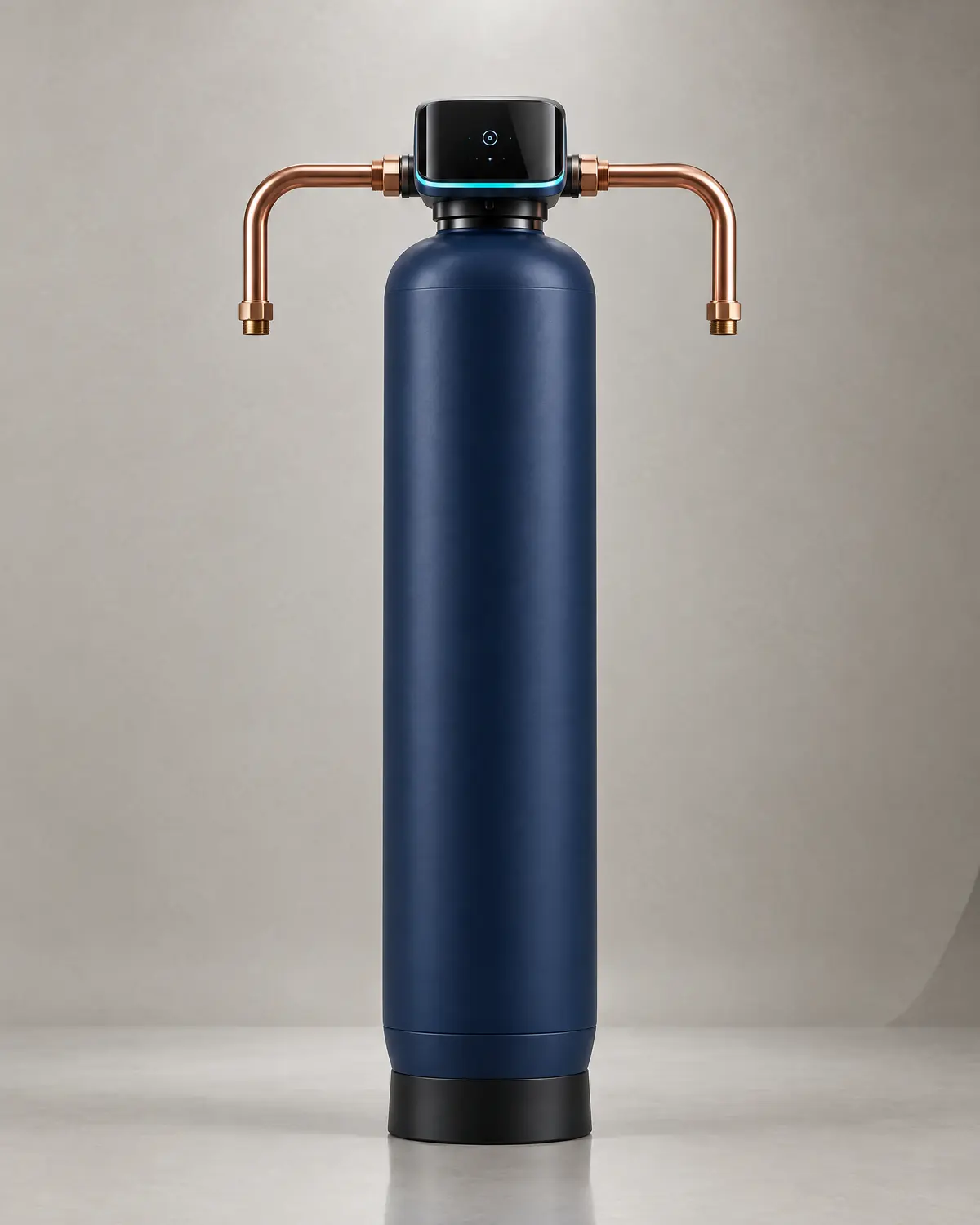
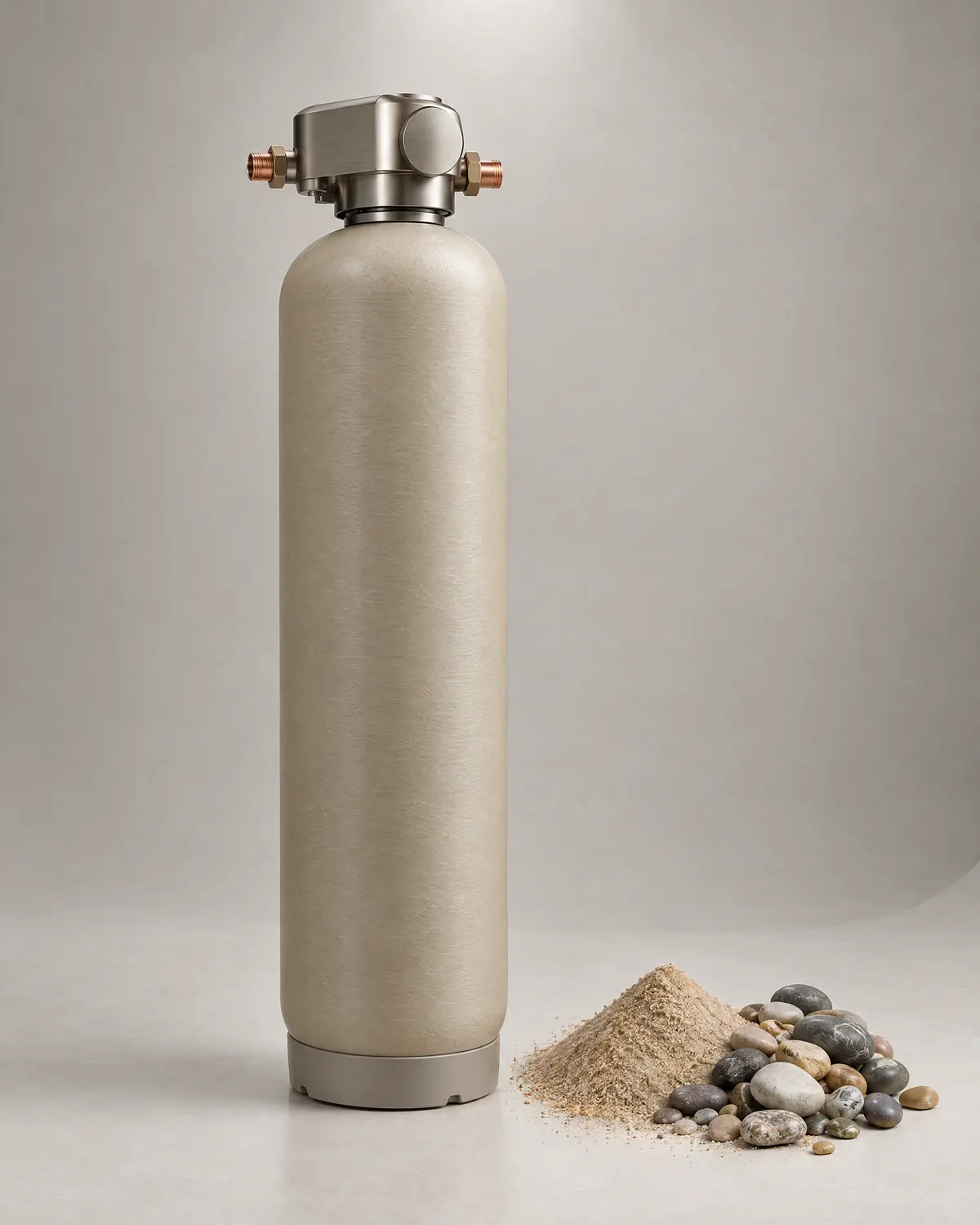
Three salt-free, self-cleaning systems designed in Pensacola. The Genesis 2000 removes chlorine and its byproducts, The GOAT adds radon and radionuclide reduction, and the sediment filter protects homes on private wells.

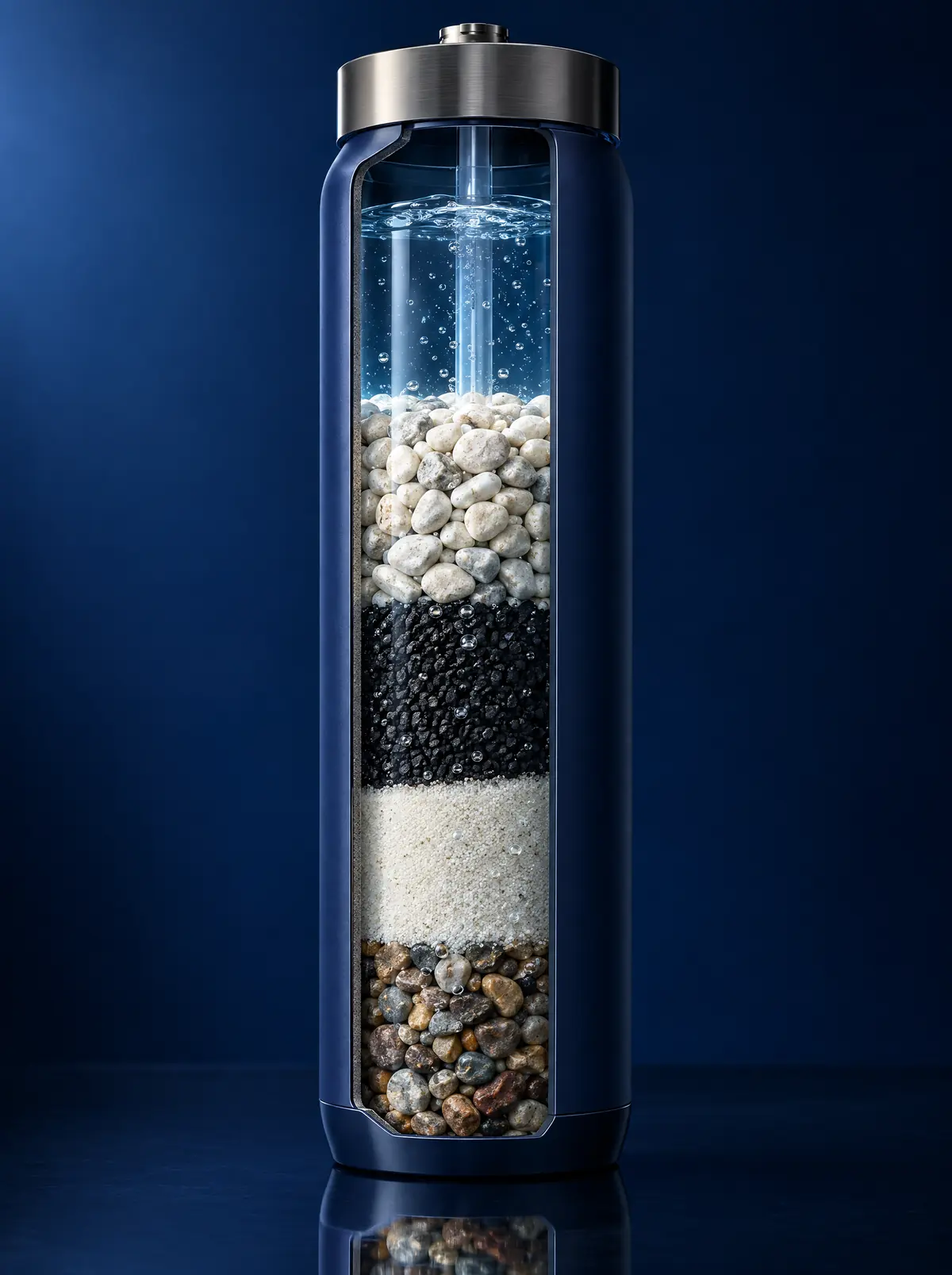
Illustrated cutaway of a Healthy Water Man filtration tank showing layers of mineral stone, catalytic carbon, quartz sand and gravel

What is inside every tank?

Stacked layers of mineral stone, catalytic carbon, quartz sand and gravel, modeled on the ground that turns rain into spring water. The media are matched to your water test, and the bed backwashes itself on a timer.

  1. Water in

    Water enters at the top and spreads evenly across the bed, the way rain soaks into a forest floor.

  2. Mineral bed

    Natural mineral stone, standing in for the Florida limestone that groundwater travels through.

  3. Catalytic carbon

    Adsorbs chlorine, chloramines, chloroform, trihalomethanes and other disinfection byproducts.

  4. Filter sand

    Fine quartz polishes the water, catching sediment and turbidity.

  5. Gravel bed

    Supports the media and lets the system backwash itself clean on a timer.

Which system is right for your home?

You want the most complete protection

Everything Genesis 2000 removes, plus radon and radionuclides, with our longest warranty: 25 years.

The GOAT

You are on city water

Chlorine and its byproducts reduced at every tap in Escambia and Santa Rosa counties, in one compact tank.

Genesis 2000

You are on a private well

For sand, cloudiness or clogged fixtures, and as the first stage ahead of Genesis 2000 or The GOAT.

Well Water Sediment Filter

Is whole-house filtration better than a softener or reverse osmosis?

The right treatment depends on your water test and goal. Whole-house carbon filtration can reduce chlorine taste and odor across the home; a softener reduces hardness, and a point-of-use reverse osmosis unit targets specific dissolved contaminants at a drinking-water tap. Confirm the exact model’s documented reduction claims and service needs.

Healthy Water Man: Whole-house filtration

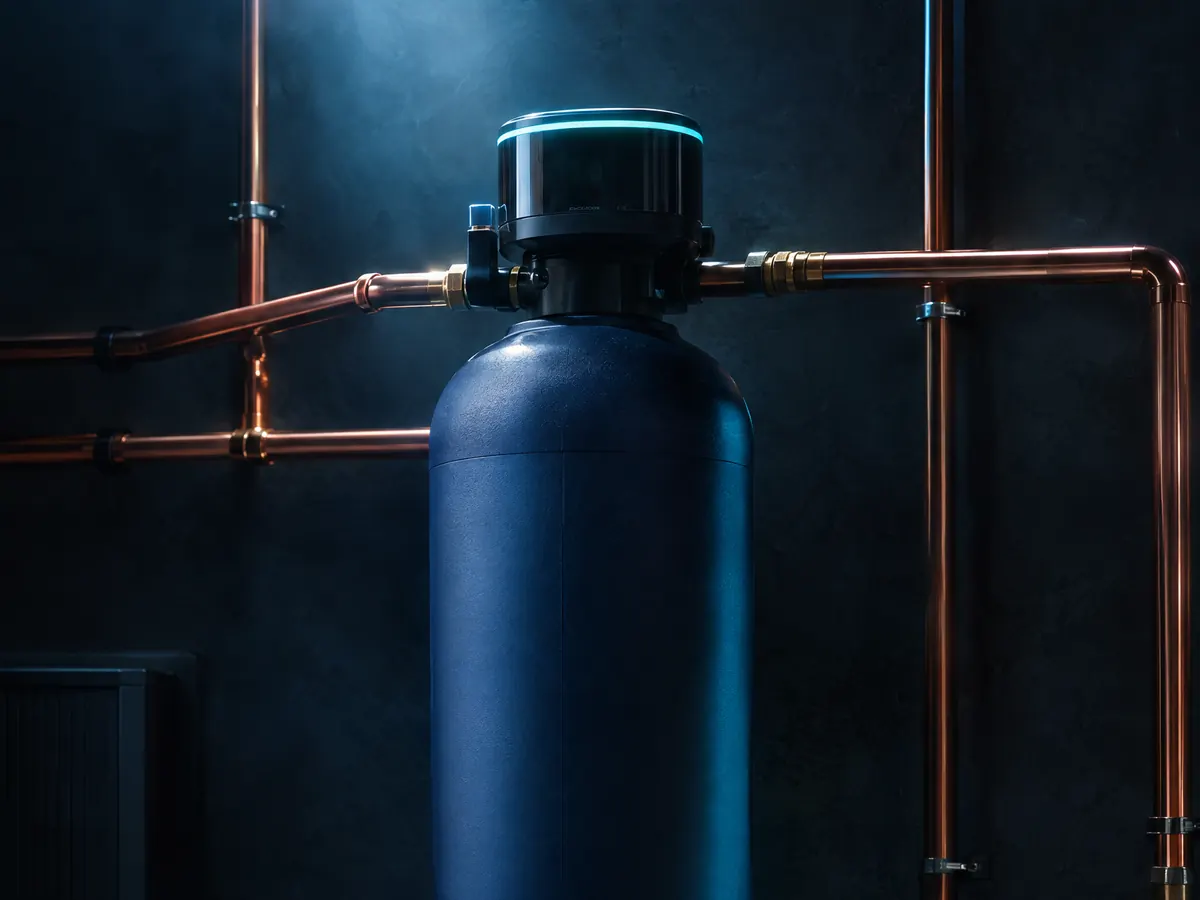
Whole-house filtration

Healthy Water Man

Installed at the main line, the system uses treatment media and timed backwashing. Chlorine, chloramine and other contaminant reduction depends on the media, flow rate and exact model’s documented performance.

Treats water at

  • Kitchen: treated
  • Shower: treated
  • Bath: treated
  • Laundry: treated
  • Fridge and ice: treated

0lb of saltNo softener salt; media and valve service still apply

Homes on chlorinated city water, like ECUA’s, that want every shower, sink and appliance treated while keeping natural minerals.
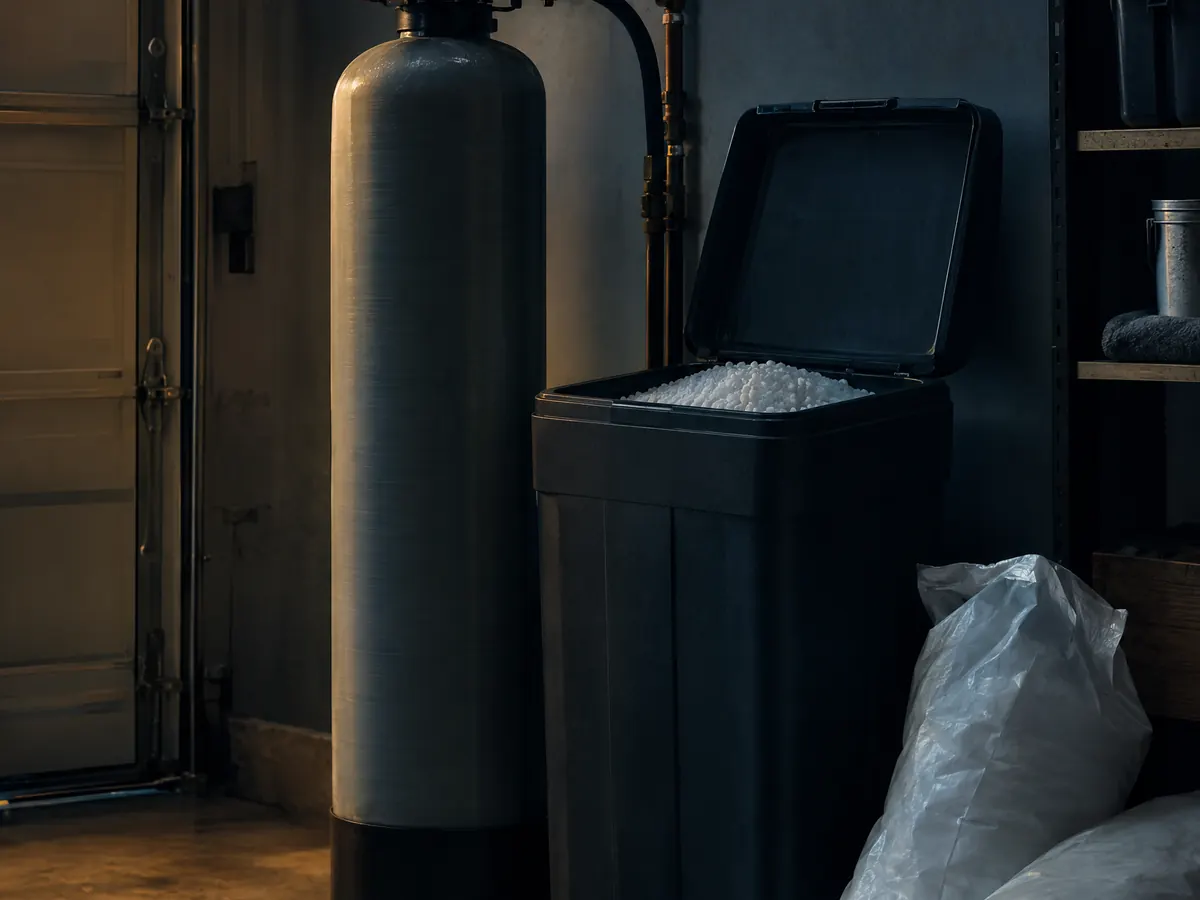
Salt-based softener: Ion-exchange water softener

Ion-exchange water softener

Salt-based softener

Resin beads trap calcium and magnesium and swap them for sodium or potassium, then regenerate with brine that goes down the drain.

Treats water at

  • Kitchen: treated
  • Shower: treated
  • Bath: treated
  • Laundry: treated
  • Fridge and ice: treated

7.5mg of sodiumPer quart, per grain of hardness removed

Homes where a test shows genuinely hard water, such as some private wells, and scale is the real problem.

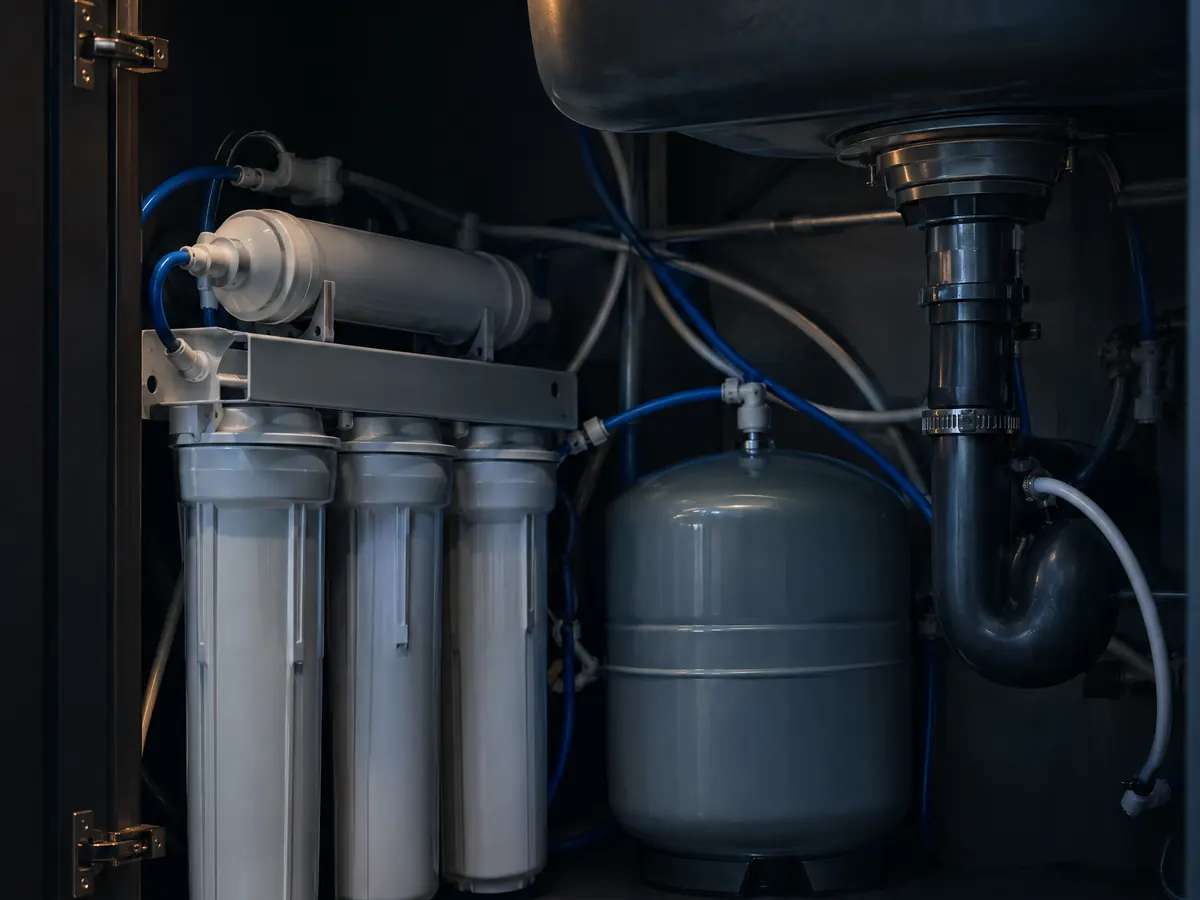
Reverse osmosis: Under-sink point-of-use RO

Under-sink point-of-use RO

Reverse osmosis

A membrane under the kitchen sink pushes water through fine pores, rejecting most dissolved solids and sending a reject stream to the drain.

Treats water at

  • Kitchen: treated
  • Shower: not treated
  • Bath: not treated
  • Laundry: not treated
  • Fridge and ice: not treated

5+gallons to drainPer gallon made by a typical unit

Households that need specific dissolved contaminants, such as arsenic or nitrate, reduced in drinking and cooking water.

  • 5+ galReject water a typical under-sink RO unit sends to drain per gallon treated; WaterSense-labeled units must use 2.3 or less. Source
  • 7.5 mgSodium a salt softener adds per quart for each grain per gallon of hardness it removes. Source
  • ~50 galWater used each time a salt softener regenerates, according to Penn State Extension. Source
What mattersHealthy Water ManSalt-based softenerReverse osmosis
Chlorine and byproduct reductionHealthy Water ManPartlyConfirm exact model, contaminant and flow ratingSalt-based softenerNoNot designed to remove chlorineReverse osmosisPartlyCarbon stage, one tap only
Treats every tap, including showersHealthy Water ManYesInstalled at the main lineSalt-based softenerYesWhole house, but hardness onlyReverse osmosisNoOne faucet, usually the kitchen
Removes hardnessHealthy Water ManNoNot a softenerSalt-based softenerYesIts core jobReverse osmosisYesAt the one tap only
Keeps natural mineralsHealthy Water ManYesCalcium and magnesium staySalt-based softenerNoSwapped for sodium or potassiumReverse osmosisNoMembrane rejects most dissolved minerals
Adds no sodiumHealthy Water ManYesNo sodium addedSalt-based softenerNo7.5 mg/quart per grain removedReverse osmosisYesNo sodium added
No salt or chemicals to buyHealthy Water ManYesSalt-freeSalt-based softenerNoSalt or potassium chloride, ongoingReverse osmosisYesNo salt needed
Avoids routine disposable cartridgesHealthy Water ManPartlyBackwashing media; service life variesSalt-based softenerYesNo routine filters; salt insteadReverse osmosisNoPre-filters, membrane, post-filter
Little water sent to drainHealthy Water ManPartlyPeriodic backwash; ask for model-specific usageSalt-based softenerPartlyAbout 50 gallons per regenerationReverse osmosisNoTypical 5+; WaterSense-labeled units 2.3 or less

Select treatment against your water test and the exact model’s certified reduction claims. WaterSense labeling addresses RO efficiency and performance requirements; it does not mean every possible contaminant is covered. Backwashing, media replacement and valve service still need a written maintenance plan.

Sources for these figures
  1. U.S. EPA WaterSense: Point-of-Use Reverse Osmosis Systems
  2. Penn State Extension: Water Softening
  3. University of Nebraska–Lincoln Extension: Drinking Water Treatment: Water Softening (Ion Exchange), G1491
  4. Minnesota Department of Health: Home Water Softening
  5. University of Nebraska–Lincoln Extension: Drinking Water Treatment: Reverse Osmosis, G1490
  6. WC&P (Rick Andrew, NSF): TDS Reduction Testing of Point-of-Use RO Systems under NSF/ANSI 58
  7. University of Nebraska–Lincoln Extension: Drinking Water Treatment: Activated Carbon Filtration, G1489
A single drop sending ripples across dark blue water

Not sure which one you need? Ask us.

Ask about your water, your home and which system fits. No pressure, no script. The phone is answered 24/7, and in-home consultations are free across Escambia and Santa Rosa counties.