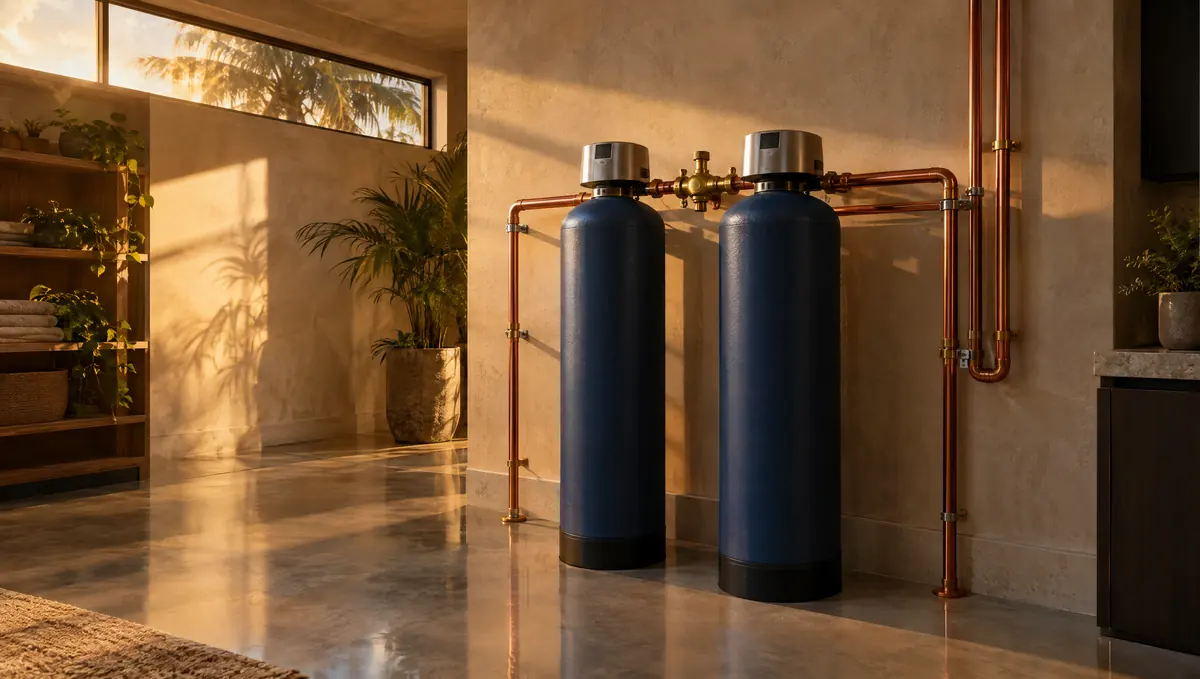
Installation and water testing, done properly
We start with a free test at your tap, then install one salt-free, self-cleaning system on your main line, before the water heater. You get a bypass valve, a code-minded drain with an air gap, and a maintenance plan matched to the system.
- One plan from test to installThe advice you get at your kitchen sink after a free water test is the plan we install.
- Automatic backwashingEvery system backwashes itself on a timer, so there is no salt to carry or routine filter swap. The valve, drain and treatment performance still need checks; ask for written media service and replacement guidance.
- Honest scopeWe tell you what our systems remove and what they do not, including when your water needs a certified lab test instead of ours.
- Local rules, checked firstBefore installation day we confirm permit and code requirements for your address in Escambia or Santa Rosa County.
Where does a whole-house system go?
A whole-house system is normally placed on the main cold-water line before the water heater: after the meter on city water, or after the pressure tank on a well. Confirm which branches are downstream of treatment; outdoor spigots or separate supplies may remain untreated.
-
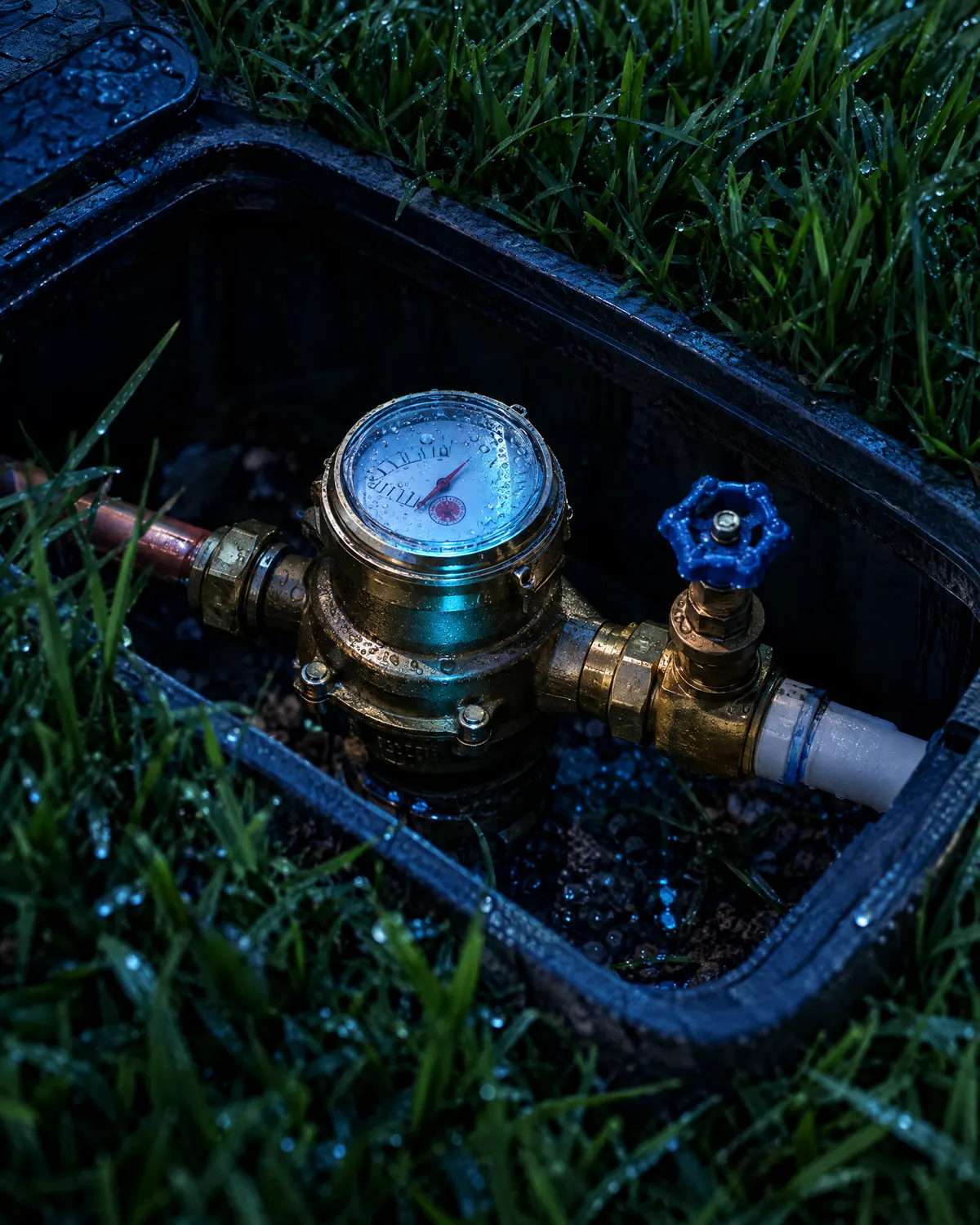
Water meter or well
City water arrives through the meter; well water arrives through the pump and pressure tank, and a system is installed after the pressure tank.
-
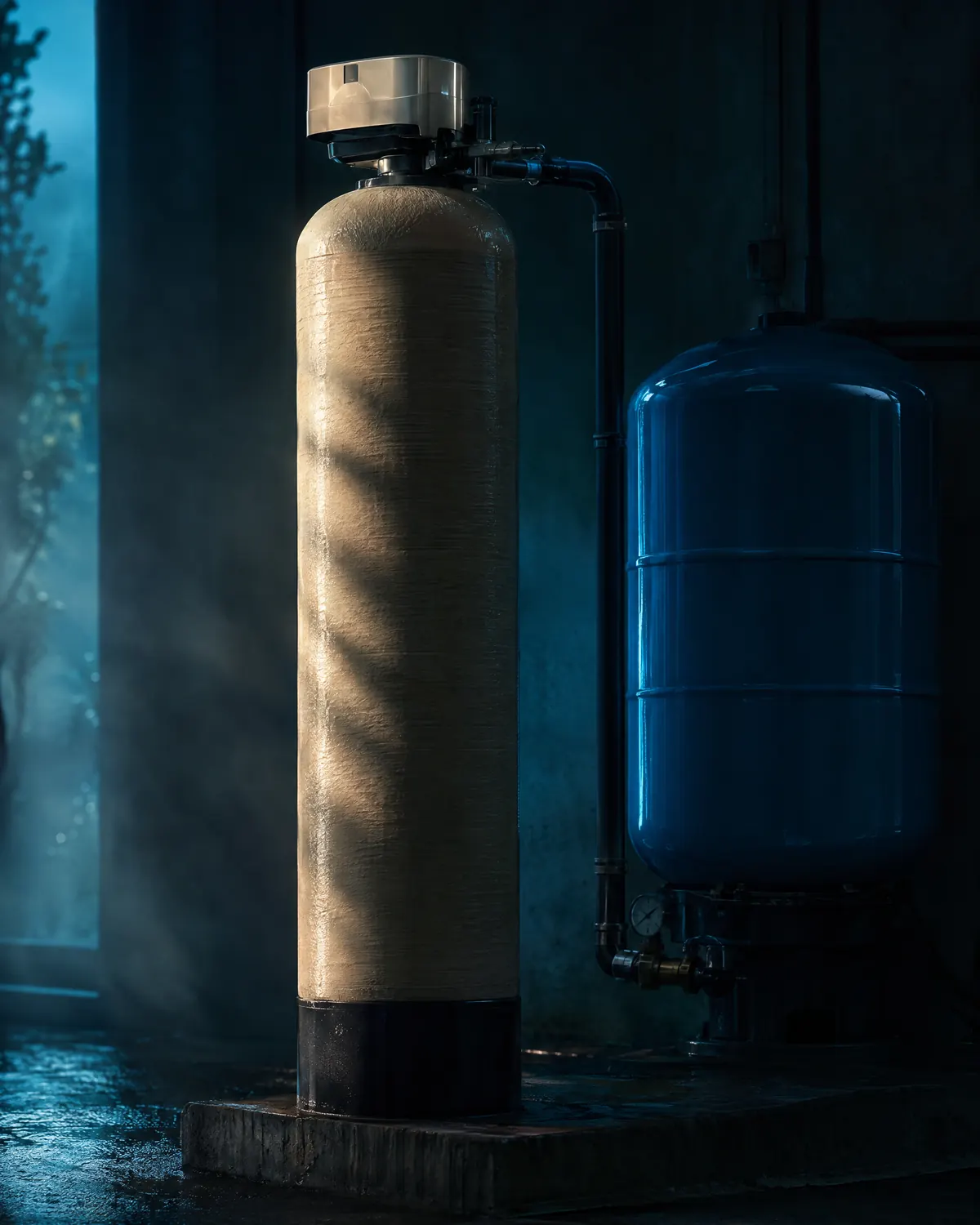
Sediment filter (wells)
On wells, the Well Water Sediment Filter takes out sand, silt, rust particles and turbidity to under 3 microns first.
-
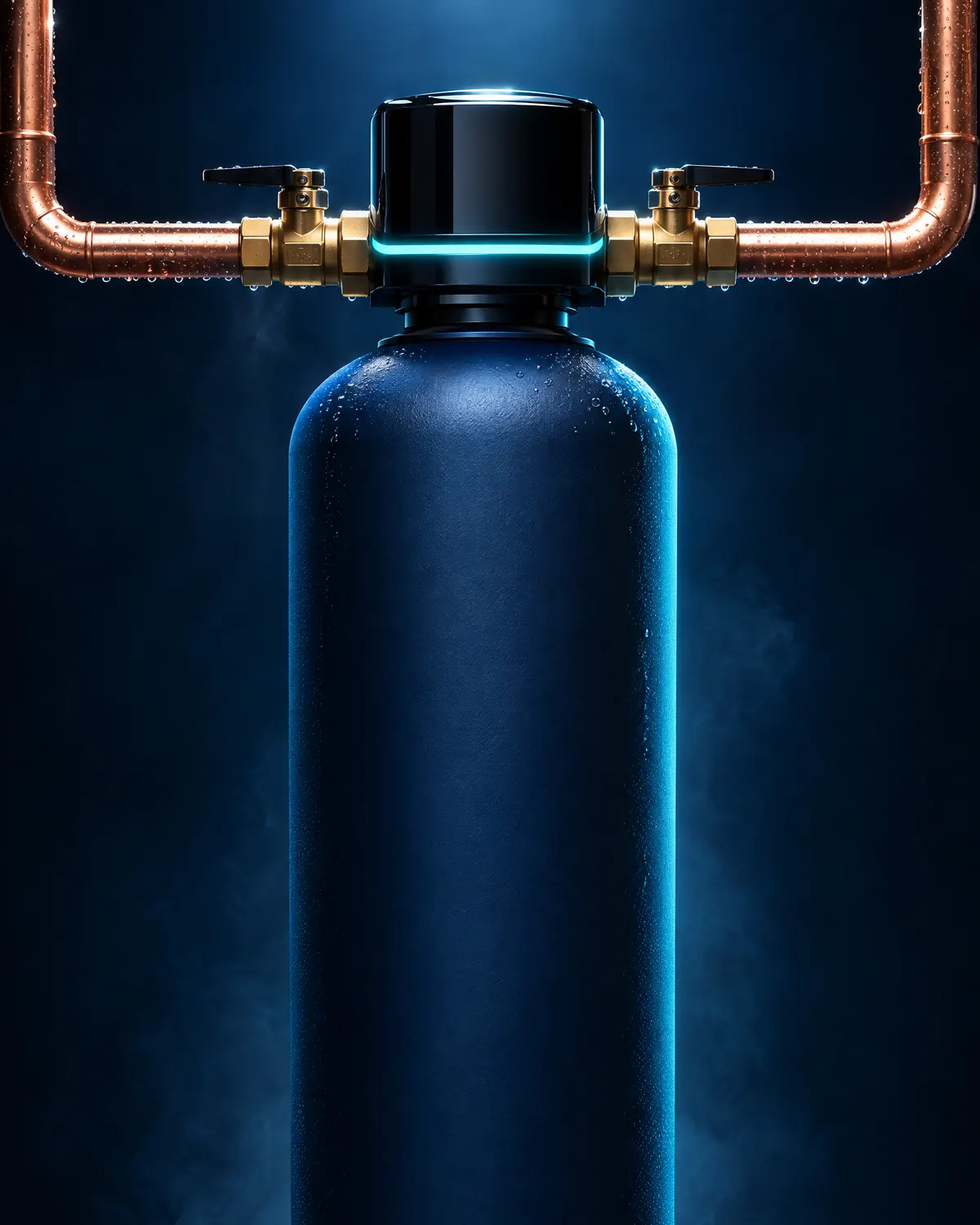
Healthy Water Man system
The Genesis 2000 or The GOAT treats all the water for the house, with a bypass valve on the inlet and outlet.
-
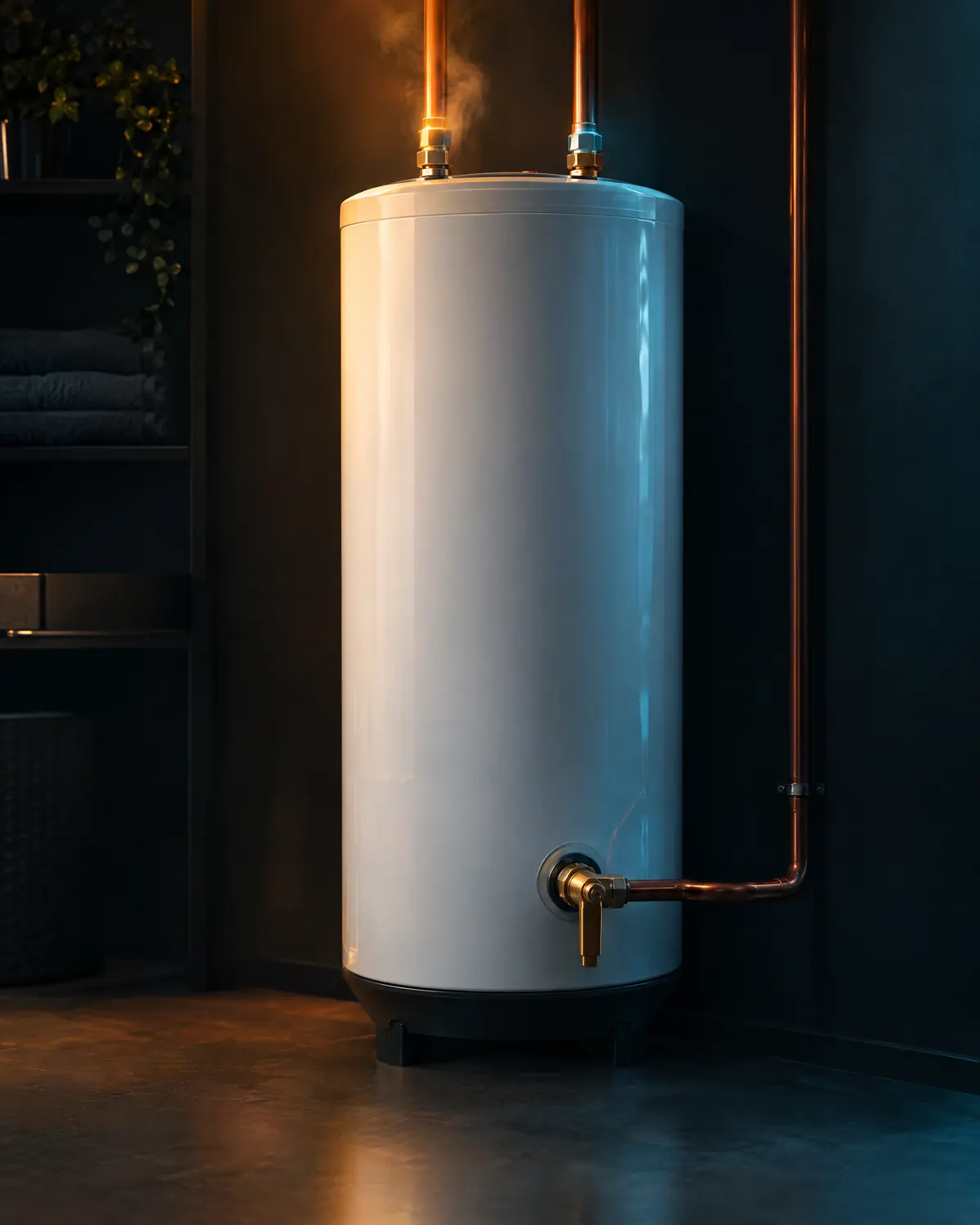
Water heater
Treated water feeds the heater, so hot water is filtered too; we keep a sensible run of pipe between the system and the heater.
-
Every tap, shower and appliance
Kitchen, baths, laundry and ice maker all draw from the same treated line; outdoor spigots can stay on untreated water.
- Bypass valve: lets you send water around the system in seconds for plumbing work or long garden watering, without shutting off the house.
- Drain line and air gap: backwash water runs to a floor drain, standpipe or other approved spot and must end above it through an air gap, as the Florida plumbing code requires for filter waste lines.
- Outlet for the control valve: the timer valve runs on a small low-voltage transformer, so we need a standard outlet within reach.
- Outdoors in Florida: the tank and valve need a cover or enclosure from direct sun and rain, and protection on the rare nights Pensacola freezes.
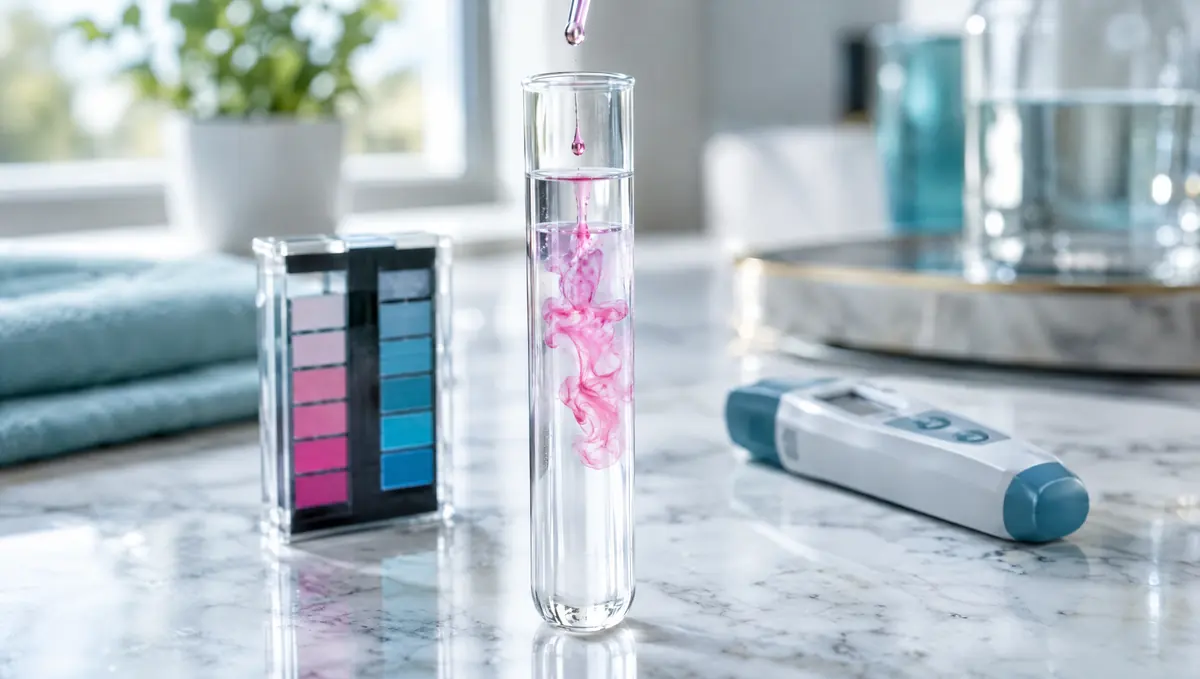
When a lab test is the right call
Some things cannot be judged at the kitchen sink. Bacteria, lead, nitrate, PFAS and radionuclides need a certified laboratory. Florida DOH advises well owners to test for bacteria and nitrate every year and lead every three years. Find a certified lab through the Florida DEP laboratory search or your county health department.
What do we test for?
The initial home screening helps discuss chlorine, pH, hardness, dissolved solids, visible sediment and other observations relevant to equipment selection. Confirm which measurements are included for your visit and what method is used. Reference values provide context; this screening is not a certified laboratory safety test or a determination of utility compliance.
How does it work, from first call to clean water?
Six plain steps. You call, we test your water at home, we recommend one system and show you where it goes, we confirm local requirements, we install and start it up, and we stay reachable afterward. No step commits you to the next until you decide.
Call or book
Call (855) 530-3051. The line is answered 24/7, and visits run Monday to Saturday, 9 a.m. to 9 p.m. Tell us whether you are on city water or a well, roughly how old the house is, and anything you have noticed, such as chlorine smell, cloudy water or stains.
Free in-home test
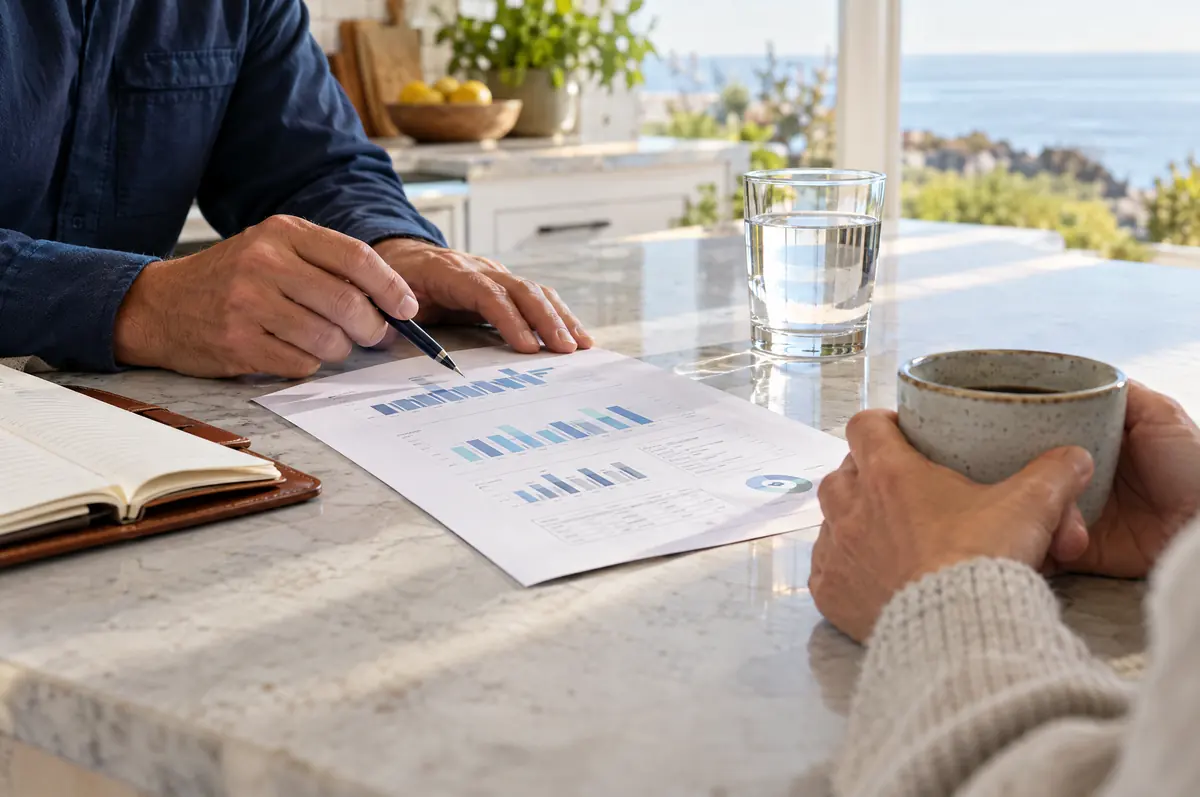
We test at a tap in front of you and explain each number as we go. You see the chlorine, pH, hardness, dissolved solids, iron and clarity readings, what they mean, and which of them a whole-house filter can change. If something calls for a certified lab, we say so.
One clear recommendation
We recommend the one system that fits your water: Genesis 2000 for city water, The GOAT when radon and radionuclide reduction matter, or the Well Water Sediment Filter for wells. We point out where it would sit, where the drain goes and which outlet it will use.
Local requirements confirmed
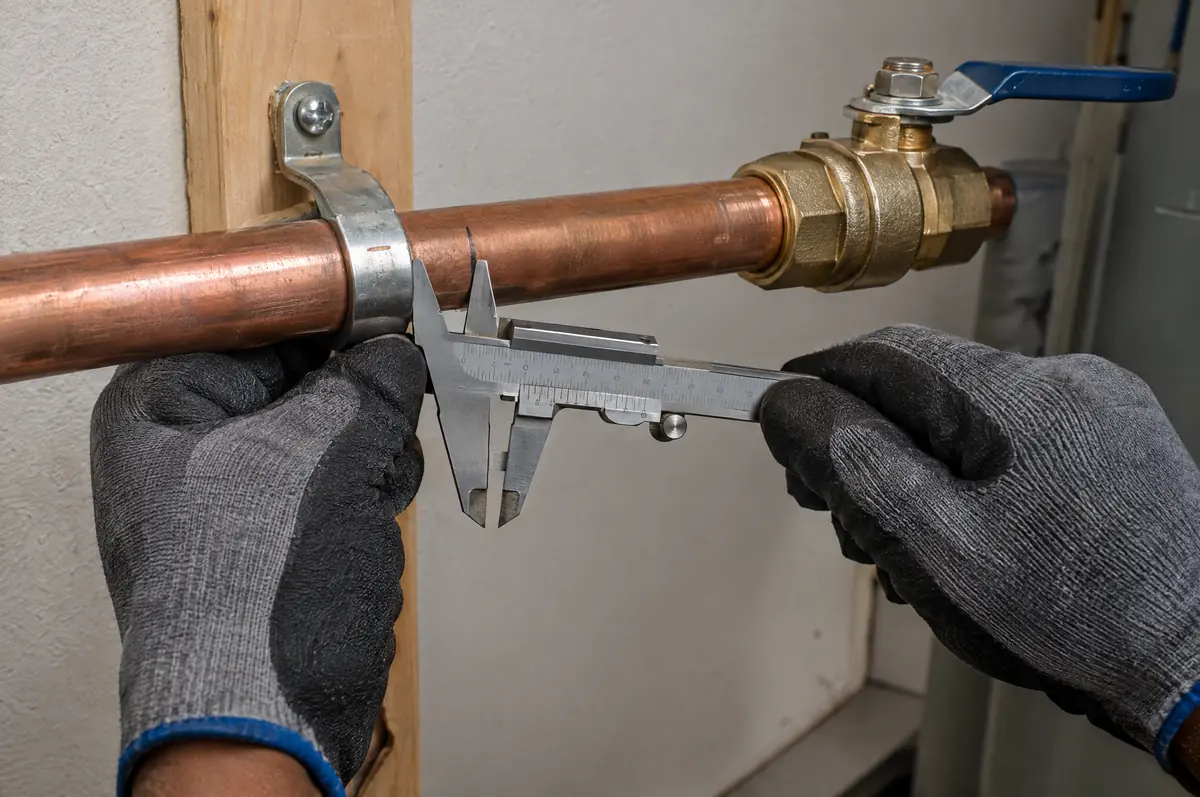
Rules differ between the City of Pensacola, Escambia County and Santa Rosa County. We confirm permit and code requirements for your address, then plan the drain, air gap and bypass so the installation meets the Florida Building Code, Plumbing, in full.
Installation and start-up
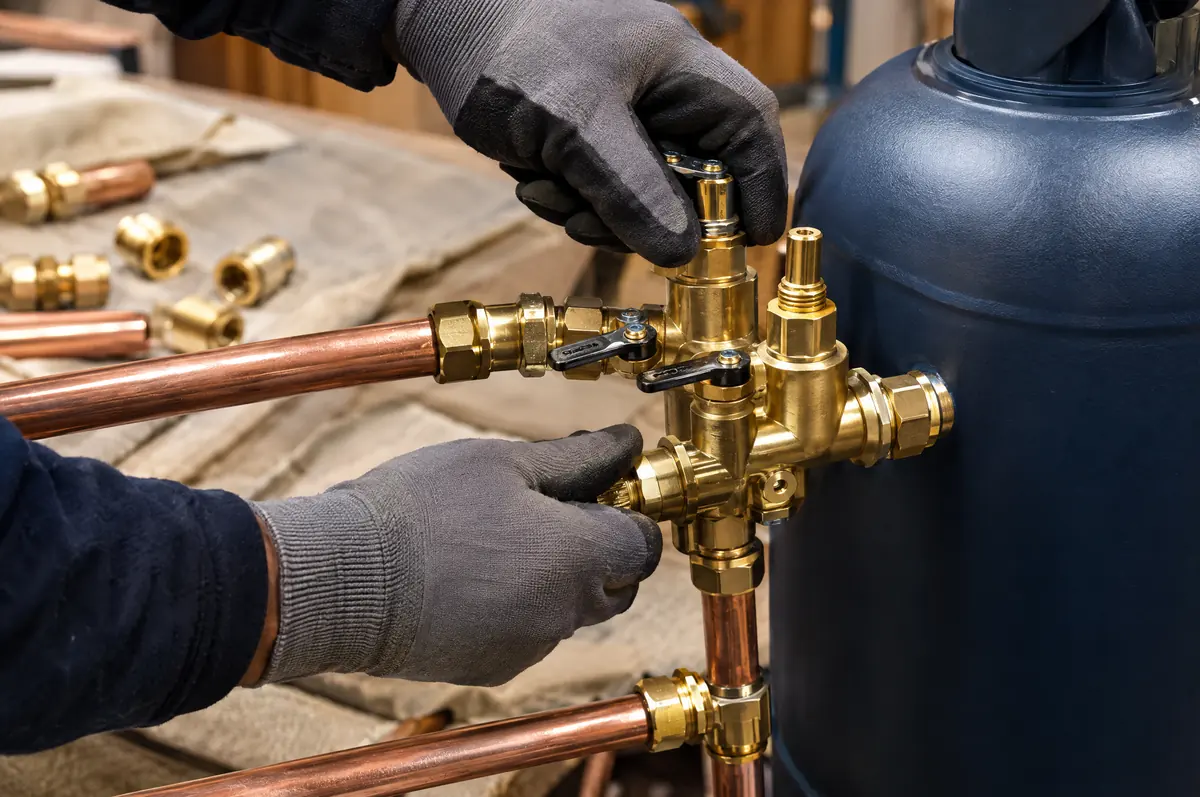
Water is shut off at the meter or pressure tank, the system is plumbed in with its bypass, drain and air gap, and the new tank is flushed and started. We check for leaks, set the timer and walk you through the bypass before we leave.
Ownership
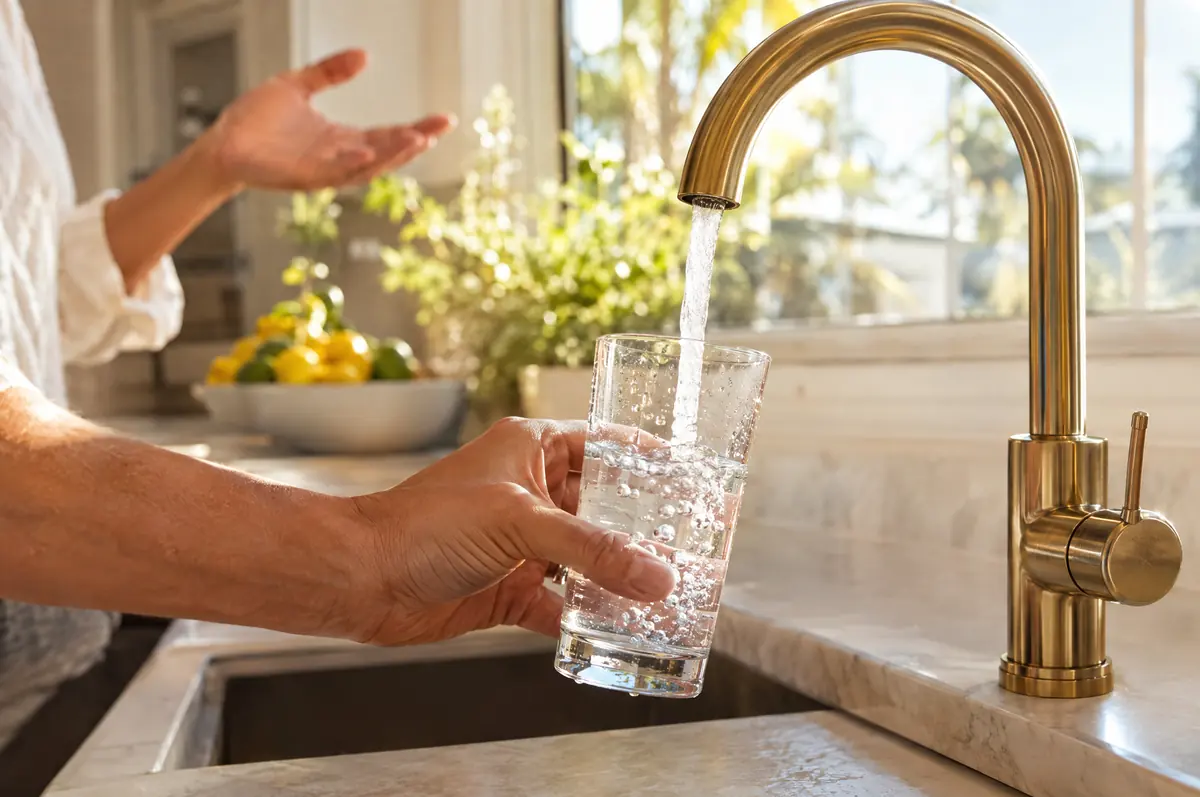
The system backwashes on its own schedule, without softener salt. Backwashing does not eliminate media or valve service. You keep the power on and the bypass in service. If anything seems different, call the same number and speak to someone who knows your installation.
What happens on installation day?
Most of the day is careful plumbing on your main line. Water is off for part of the visit. The system goes in with a bypass, a drain to an air gap and a nearby outlet. Then the tank is flushed and started, the water heater is refreshed and you get a walkthrough.
Arrive and protect
We confirm the spot agreed at the consultation, lay down floor protection and locate your main shutoff.
Water off
Water is shut off at the meter or well pressure tank and the lines are drained so work is dry and clean.
Plumb in with a bypass
The system is connected on the main line ahead of the water heater through a bypass valve, with inlet and outlet the right way round.
Keep the ground path
On copper or other metal pipe, a grounding jumper is fitted across the system so the home electrical ground is not interrupted.
Drain and air gap
The backwash drain runs to an approved receptor and ends above it through an air gap, never tied straight into a drain pipe.
Power and timer
The control valve is plugged into a nearby outlet, the clock is set and the backwash schedule is programmed.
Flush and start
Water is turned back on slowly, the new media is rinsed until it runs clear, and every joint is checked for leaks.
Walkthrough
We run hot taps to refresh the water heater, show you the bypass positions and leave you with our number.
Cost guides such as Water Filter Guru put typical professional whole-house installation labor at roughly two to five hours, and longer where access is tight or old plumbing needs work first. That is an industry range, not a promise; we give you a realistic estimate for your home at the consultation.
What is included?
- Free in-home water testChlorine, chloramine, pH, hardness, dissolved solids, iron and clarity checked at your tap and explained in plain terms.
- A recommendation you can checkOne system, the reason for it, and a clear list of what it will and will not remove.
- Permit and code checkWe confirm permit and code requirements for your address before work is scheduled.
- Bypass valveLets you route water around the system for plumbing work or heavy outdoor use.
- Drain line with an air gapBackwash water leaves through an air gap, as the Florida plumbing code requires for filter waste lines.
- Start-up and flushingThe new media is rinsed, the timer is set and the house lines are flushed before you use the water.
- Walkthrough at handoverYou learn the bypass positions, what the display shows and when to call us.
- Written warrantyGenesis 2000: 7 years on the system and 10 on the control valve; The GOAT: 25 years.
What does owning one involve?
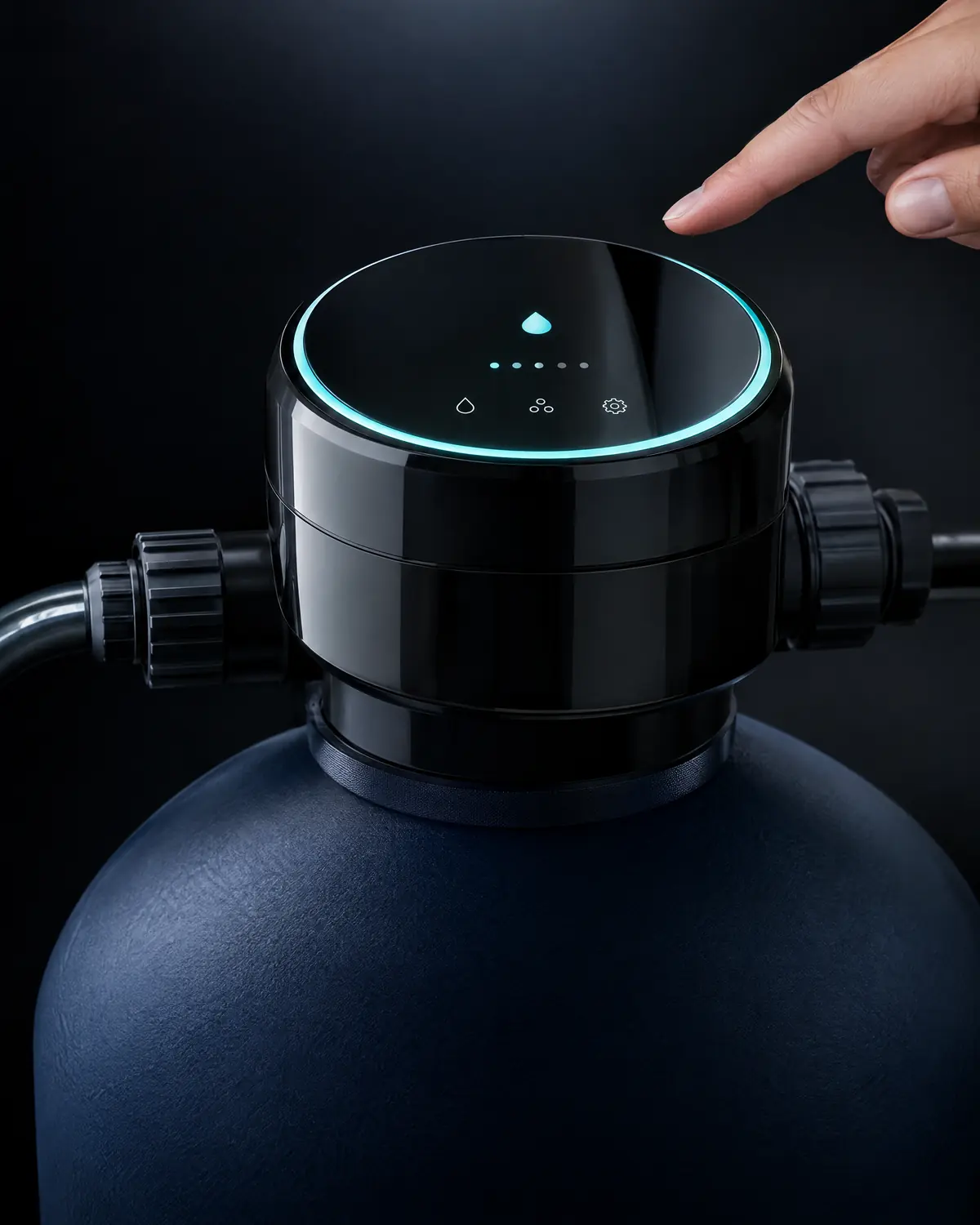
Owning a Healthy Water Man system takes very little work. The control valve backwashes the media on a timer, usually overnight, rinsing trapped particles to the drain. There is no softener salt. Follow the written media and valve service schedule. Keep the bypass in service, the power on and the clock correct, and call (855) 530-3051 if taste, smell or pressure changes.
- Backwash runs itself
- Use the installed model’s documented backwash flow, duration and schedule. Ask the installer to calculate expected water use from those specifications; generic industry ranges are not a measurement of your installation.
- Check the bypass
- After plumbing work or garden watering, make sure the bypass is back in service so the house is drawing treated water.
- Check the clock after outages
- After an outage, check the display and follow the installed model’s instructions. Ask the provider whether the clock or settings need correction; do not copy another valve’s reset procedure.
- No salt, no bags
- These are salt-free systems, so there is no brine tank to fill and no salt discharge.
- Media lasts years, not forever
- Filter media wears slowly and its life depends on your water and use; if taste, smell or pressure changes, call us and we will check it.
Which areas do you serve?
Healthy Water Man is based at 304 Concordia Blvd, Pensacola, FL 32505 and installs across Escambia and Santa Rosa counties, from Perdido Key to Navarre and north to Century. Call to confirm service at your address.
Escambia County
- Pensacola
- Pensacola Beach
- Perdido Key
- Cantonment
- Molino
- Century
Santa Rosa County
What do homeowners ask about installation?
Straight answers on time, placement, water pressure, permits and what happens after the install. Anything else, call Healthy Water Man at (855) 530-3051; the phone is answered 24/7.
How long does whole-house water filter installation take?
Industry cost guides put typical professional whole-house installation labor at about two to five hours, and longer when the main line is hard to reach or older pipe needs work first. Water is off for part of that time. We look at your main line, drain and outlet at the free consultation and give you a realistic estimate for your home.
Where is a whole-house water filter installed?
On the main cold-water line where water enters the house: after the meter on city water, after the pressure tank on a well, and always before the water heater. It needs a drain for backwash water with an air gap, a standard outlet nearby, and room to reach the valve and bypass.
Do I need a plumber to install a whole-house water filter?
Florida law exempts the installation and maintenance of water conditioning units by water conditioning services from plumbing contractor licensing, under section 489.103(15), Florida Statutes. Permit rules are local, so we confirm permit and code requirements for your address before we schedule the work.
How much does whole-house water filter installation cost?
Contact us for current system and installation pricing. Installation work depends on your plumbing, drain and power, so we go over the full cost for your home at the free consultation, before anything is scheduled.
Does a whole-house filter reduce water pressure?
A correctly sized whole-house filter typically costs only a few psi, which most households do not notice. Large drops usually mean an undersized or clogged filter. Our systems backwash themselves, which keeps the media from packing with sediment, and we size the system to your household and main line.
Can a whole-house filter be installed outside in Florida?
Yes, with protection. Manufacturers warn that direct sun damages fiberglass tanks and control valves, so outdoor systems need a cover or enclosure. Freezing matters too: Pensacola fell to 13°F in January 2025. A garage or covered carport often works well if there is a drain and an outlet nearby.
Where does the backwash water go?
Into a floor drain, laundry standpipe, utility sink or other approved receptor, through an air gap so drain water can never flow back into your supply. Because salt-free backwash water carries no brine, manufacturers note it can also be sent outdoors for irrigation where local rules allow it.
Is your in-home test a substitute for a lab test?
No. It is a practical test to choose the right equipment. Bacteria, lead, nitrate, PFAS and radionuclides need a certified laboratory. Florida DOH recommends yearly bacteria and nitrate testing for private wells, and the Florida DEP publishes a search tool for certified labs.
What should I do with my system during a power outage or boil-water notice?
A Healthy Water Man system’s timer valve cannot run its backwash while the power is out, so check the clock when power returns so backwash still runs at night. A whole-house filter is not a disinfection step: during a boil-water notice, the CDC says to boil tap water even if it has passed through a home filter.
Sources and references
- International Code Council: International Plumbing Code 2021, Section 608.4 Potable water handling and treatment equipment
- UpCodes: 2023 Florida Building Code, Plumbing, Chapter 8 Indirect/Special Waste (air gap, 802.3.1)
- UpCodes: 2023 Florida Building Code, Plumbing, Chapter 6 Water Supply and Distribution (606 valves, 610 disinfection)
- The Florida Senate: Florida Statutes 489.103 Exemptions, subsection (15)
- Escambia County: Building Services, Permitting
- City of Pensacola: Plumbing Information
- Santa Rosa County: Development Services Forms and Documents
- Pentair: Whole House Carbon Filtration Systems Installation and Service Manual
- Clack Corporation: WS1 Control Valve Features and Benefits
- Clean Water Store: Clack WS1 Carbon Backwash Filter Installation and Start-Up Guide
- WECO Filters: Backwash/Whole House Filter Questions and Answers
- Water Filter Guru: Backwash Filter Basics
- Water Filter Guru: Common Whole House Water Filter Problems
- Water Quality Association: Guidance for Sanitizing Residential Drinking Water Treatment Systems
- Water Filter Guru: Whole Home Water Filtration System Cost
- U.S. EPA: National Primary Drinking Water Regulations
- U.S. EPA: Secondary Drinking Water Standards, Guidance for Nuisance Chemicals
- U.S. Geological Survey: Hardness of Water
- Penn State Extension: Hydrogen Sulfide (Rotten Egg Odor) in Water Wells
- Florida Department of Health: Private Well Testing
- Florida Department of Health: Environmental Laboratory Certification
- National Weather Service Mobile/Pensacola: January 2025 Climate Summaries
- CDC: Drinking water advisories, an overview
- US EPA: chloramines in drinking water
- USGS: turbidity and water

Start with a free water test.
Ask about your water, your home and which system fits. No pressure, no script. The phone is answered 24/7, and in-home consultations are free across Escambia and Santa Rosa counties.