Questions to Ask a Laboratory About a Private Well
Clarify the specific water quality concern, confirm the lab’s certification, ask about required sample containers and step‑by‑step instructions, arrange safe return of the sample, and understand how the report will be presented before you collect a private‑well sample.
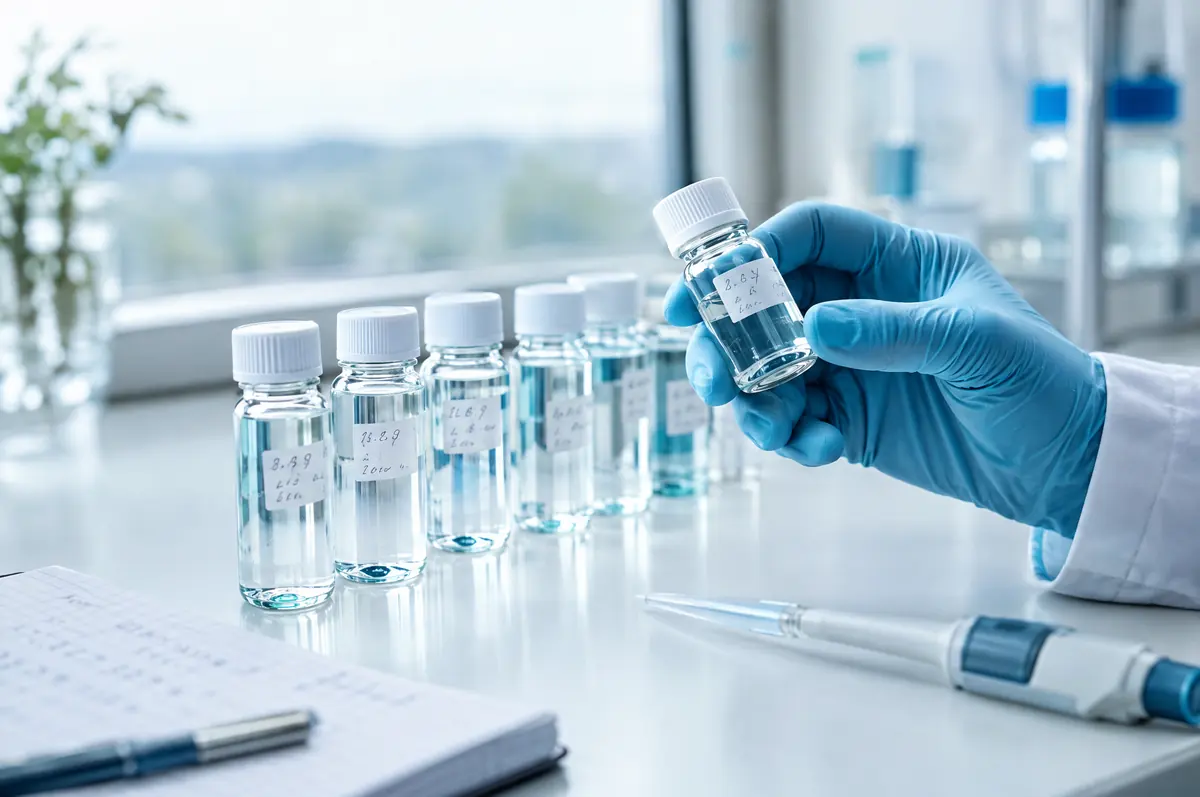
What concern should you define before calling a well-water lab?
Before calling a laboratory about private well water, identify the exact water quality issue you want evaluated. Describe visible symptoms such as stains, odor or turbidity without assigning a contaminant name yourself, reference any prior test results or utility reports, and ask the lab which parameters address your described issue.
Describe the observation or question without assigning a contaminant name yourself. Prior reports and a clear property history can help the laboratory or health department explain which analyses address that concern. Do not assume that one package tests every possible substance.
- Describe any visible symptoms (stains, odor, turbidity).
- Reference any prior test results or utility reports.
- Ask the lab which parameters address your described issue.
How do you verify a well-water laboratory’s certification?
Use the EPA directory of state laboratory certification programs, then confirm the laboratory is certified for the drinking-water analyses you need. Ask which specific analyses its current certification covers and which methods will appear on your report. For a lender or property transaction, confirm the recipient’s requirements separately.
Ask which specific analyses its current certification covers and how you can verify that information. If the test is for a lender, property transaction or other formal purpose, confirm the recipient’s requirements separately rather than assuming any report will be accepted.
- Request the relevant certification details.
- Ask which analyses and methods will appear on your report.
- Confirm any separate requirements with the organization requesting the test.
What containers and sampling instructions does the lab require?
Obtain the exact bottles, preservatives and step‑by‑step guidance from the laboratory before you collect any well water. Ask for written instructions for each parameter, the appropriate sampling location and the deadline for delivering the sample, and do not substitute a generic flushing, preservation or collection procedure.
Ask for the laboratory’s own instructions for the selected analyses, including the appropriate sampling location and collection materials. Do not substitute a generic flushing, preservation or collection procedure. Requirements may differ with the question being investigated.
- Ask the lab to ship or provide the correct containers.
- Request written instructions for each parameter you are testing.
- Clarify the deadline for delivering the sample to the lab.
How should a well-water sample be returned to the lab?
Ask the laboratory how and when to return the well-water sample and which documentation it requires. Confirm the preferred shipping or drop‑off method, whether refrigeration is needed during transport and its receiving hours. Keep the completed chain‑of‑custody form and collection information with the sample receipt and final report.
Confirm any handling conditions directly with the laboratory, along with its receiving hours and delivery arrangements. Keep the collection information and submission record with the final report. Do not assume all samples have the same temperature or delivery deadline.
- Confirm the preferred shipping or drop‑off method.
- Ask if the sample needs refrigeration during transport.
- Keep the completed chain‑of‑custody form with the sample receipt.
What should you do with a well-water laboratory report?
Retain the complete well-water laboratory report and ask how to identify the analyses, results, units, sample date and any interpretation supplied. If a result raises a safety concern, ask your health department for next steps. Healthy Water Man does not claim its systems remove every well-water contaminant; some concerns require another specialist.
If a result raises a safety concern, ask your health department for the appropriate next steps. A treatment proposal should be evaluated against the actual finding and documented equipment capability. Healthy Water Man does not claim its systems remove every well-water contaminant; some concerns require another specialist. See our testing guide for the boundary between screening and laboratory analysis.
- Retain the complete report and sample information.
- Ask the lab to explain unfamiliar units or reporting terms.
- Direct safety concerns to the health department and clarify any follow-up testing.
What else do people ask?
Can I use a home‑store bottle for a well water sample?
Only if the laboratory specifically approves that bottle type and any required preservative. Otherwise, the sample may be rejected.
Should I change the water system before the sample?
Ask the laboratory or relevant professional before changing anything. Explain the question the sample is intended to answer and follow the instructions supplied for that purpose.